Why Elijah Has No Genealogy, No Father's Name, No Backstory
Open to almost any major figure in the Old Testament and the pattern is the same. Moses is introduced through his tribe and his parents in Exodus 2. Samuel arrives through Elkanah and Hannah's story in 1 Samuel 1. David gets a father, a hometown, and a full list of brothers in 1 Samuel 16. Even minor judges and kings usually get at least a father's name attached before scripture lets them speak. Genealogy is how the Bible tells you someone belongs to the story.
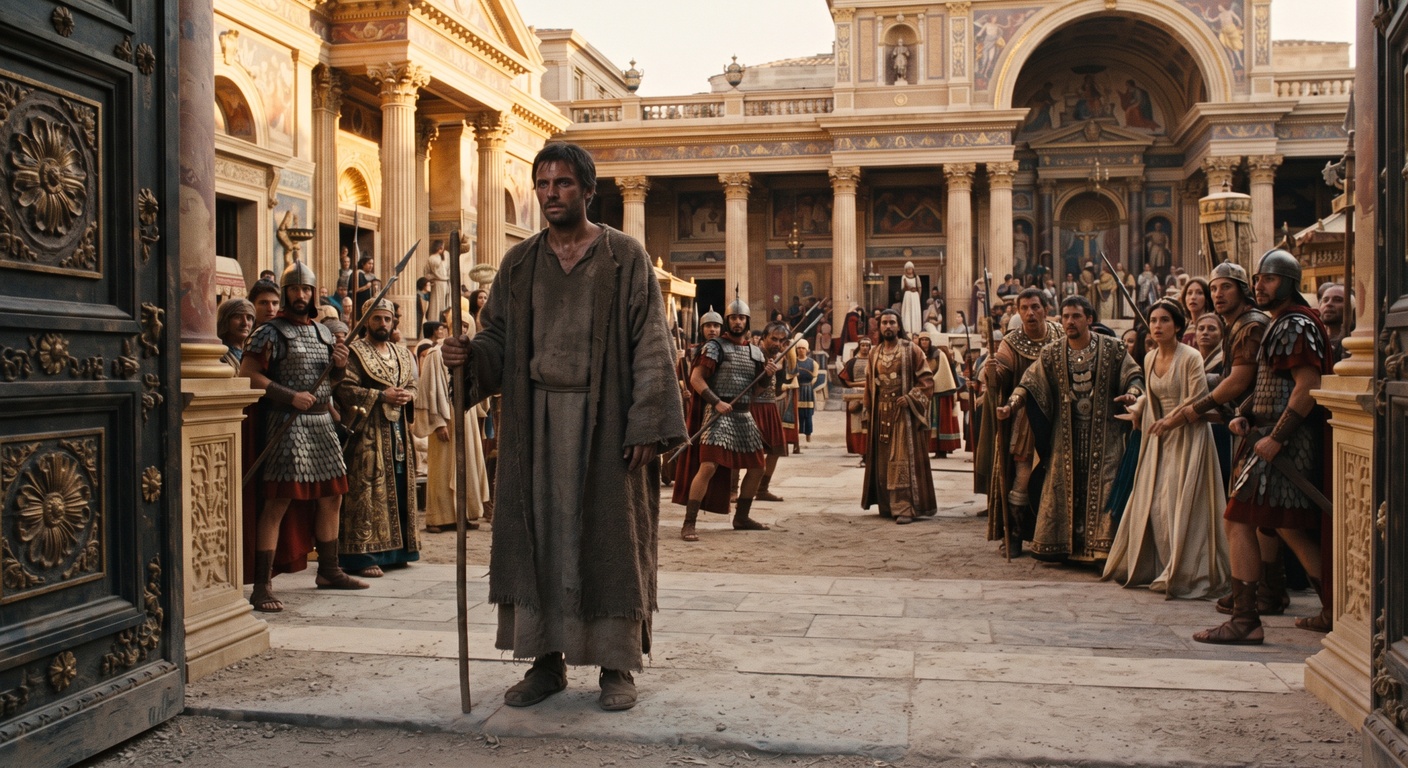
Then 1 Kings 17:1 happens: "And Elijah the Tishbite, who was of the inhabitants of Gilead, said unto Ahab..." No father. No tribe. Scholars still argue over what "Tishbite" even refers to, since no other passage clearly identifies a town called Tishbe. He simply speaks, mid-sentence, into the middle of Ahab's court, and the entire book of Kings treats that as sufficient introduction.
This Is Not How the Text Usually Works
It's worth sitting with how unusual this actually is, because familiarity dulls it. Scripture is generally careful, almost obsessive, about lineage. Genealogies run for entire chapters. Kings are introduced with their mothers named specifically, a detail modern readers skim past but ancient readers would have registered immediately. Against that backdrop, a prophet who appears with absolutely nothing, not even the minimal courtesy of a father's name, is a deliberate silence, not a gap in the record.
What the Silence Does
A genealogy tells you where someone's authority comes from. It roots a person in a family, a tribe, a claim. Elijah's introduction refuses to root him in anything except the sentence he's about to speak: "As the Lord God of Israel liveth, before whom I stand, there shall not be dew nor rain these years, but according to my word." His authority isn't inherited. It isn't backed by a father's reputation or a tribe's standing. It rests entirely on the word he's carrying and the God he claims sent him, which is either everything or nothing, with no genealogy available to soften the claim either way.
A Man the Text Refuses to Explain
This pattern doesn't stop at his introduction. Elijah is one of only two people in the entire Bible never recorded as dying, taken up by a whirlwind in a chariot of fire in 2 Kings 2. He reappears centuries later, standing beside Moses at the Transfiguration, still unexplained, still without the kind of biographical padding scripture usually supplies. A man who enters with no history and exits without dying is, narratively, a man the text seems determined to keep undomesticated, impossible to fully account for by ordinary means.
That's the man this book is actually about: not a prophet whose credentials can be traced and verified on paper, but one whose entire claim to be heard rests on whether the word he spoke actually came from God. Scripture doesn't give you a way to check his résumé. It only gives you the drought, and then the fire on Carmel, and lets those speak for him instead.
